


Manual Therapy Modalities
When working together in person, we may decide to use a range of evidence-based manual therapies to release tension, improve mobility, and support long-term recovery. Each modality is selected to meet your individual needs — whether it’s easing jaw pain, reducing headaches, or restoring balance in the neck and shoulders. These hands-on approaches are always combined with exercise and education to get the best results.
Manual Therapy (Massage)
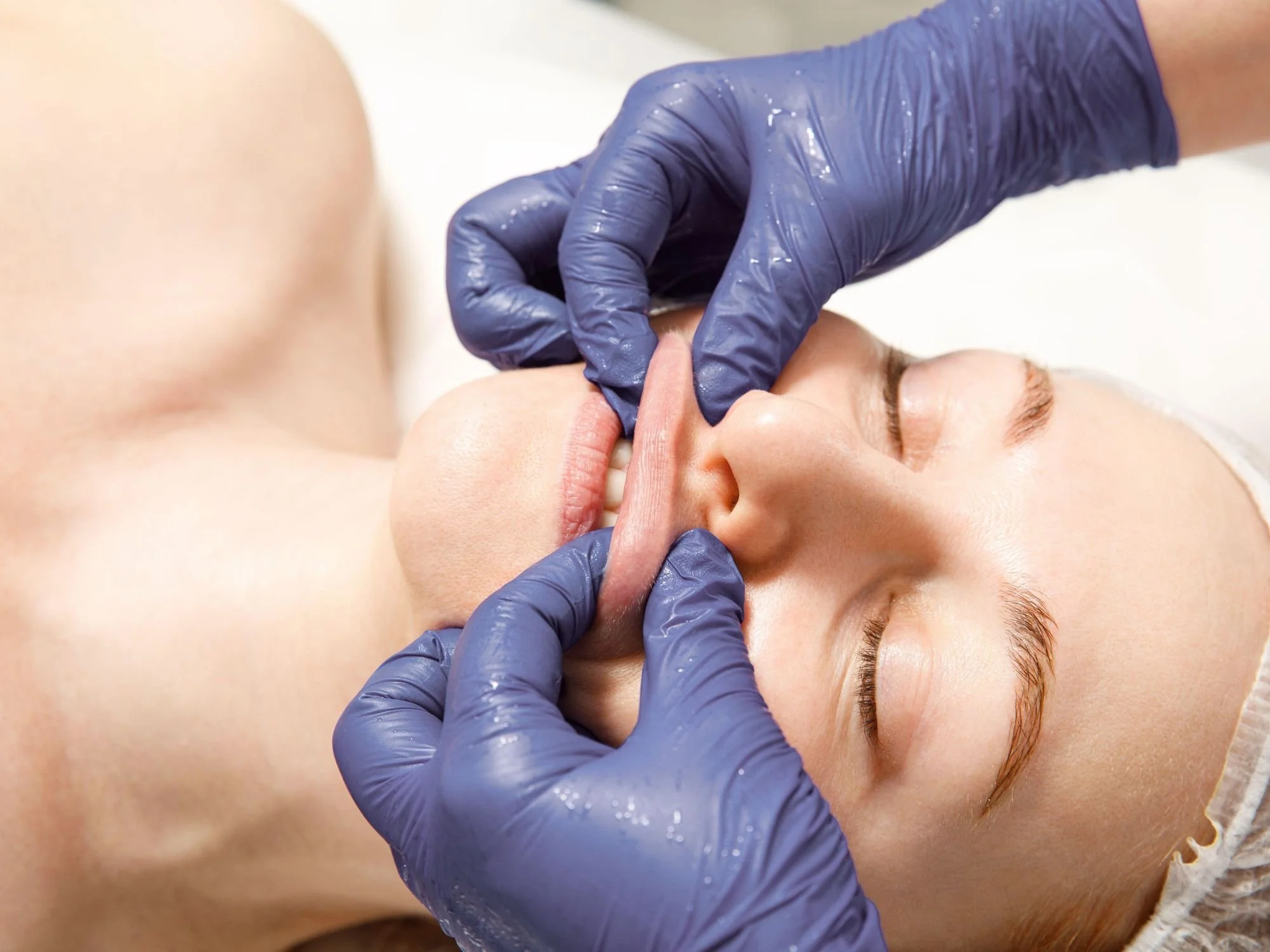
Manual therapy includes targeted massage both inside the mouth (intra-oral) and throughout the body to release tension and restore mobility. By addressing not only the jaw but also the neck, shoulders, and posture, massage helps reduce pain, improve alignment, and support lasting relief.
Neurofunctional Acupuncture
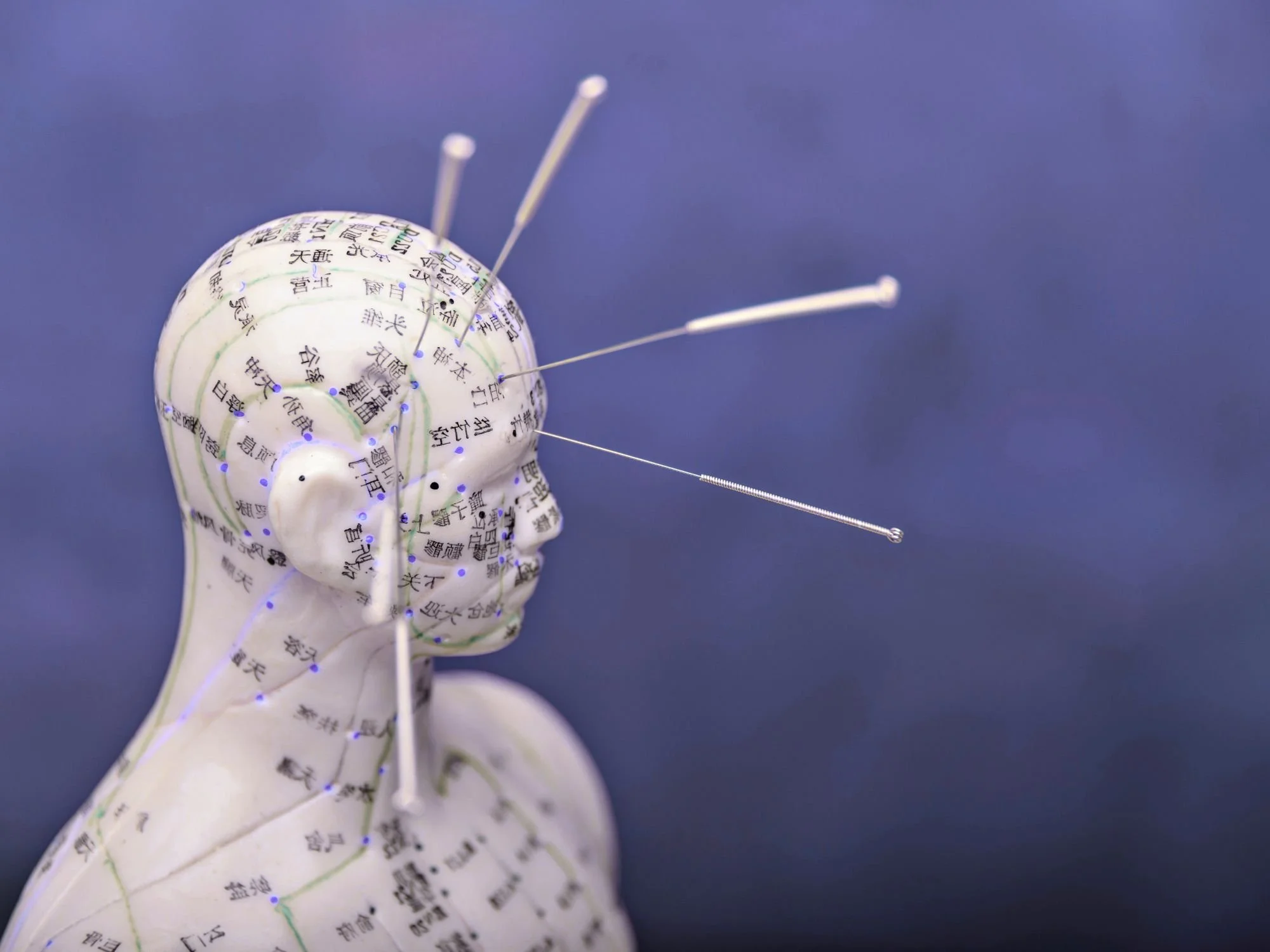
Neurofunctional acupuncture uses thin, sterile needles to stimulate specific nerves and muscles, encouraging the brain and body to communicate more effectively. This modern, neuroscience-based approach helps calm overactive muscles, reduce pain, and restore healthy movement patterns — especially useful for jaw, head, and neck conditions.
Cupping Therapy
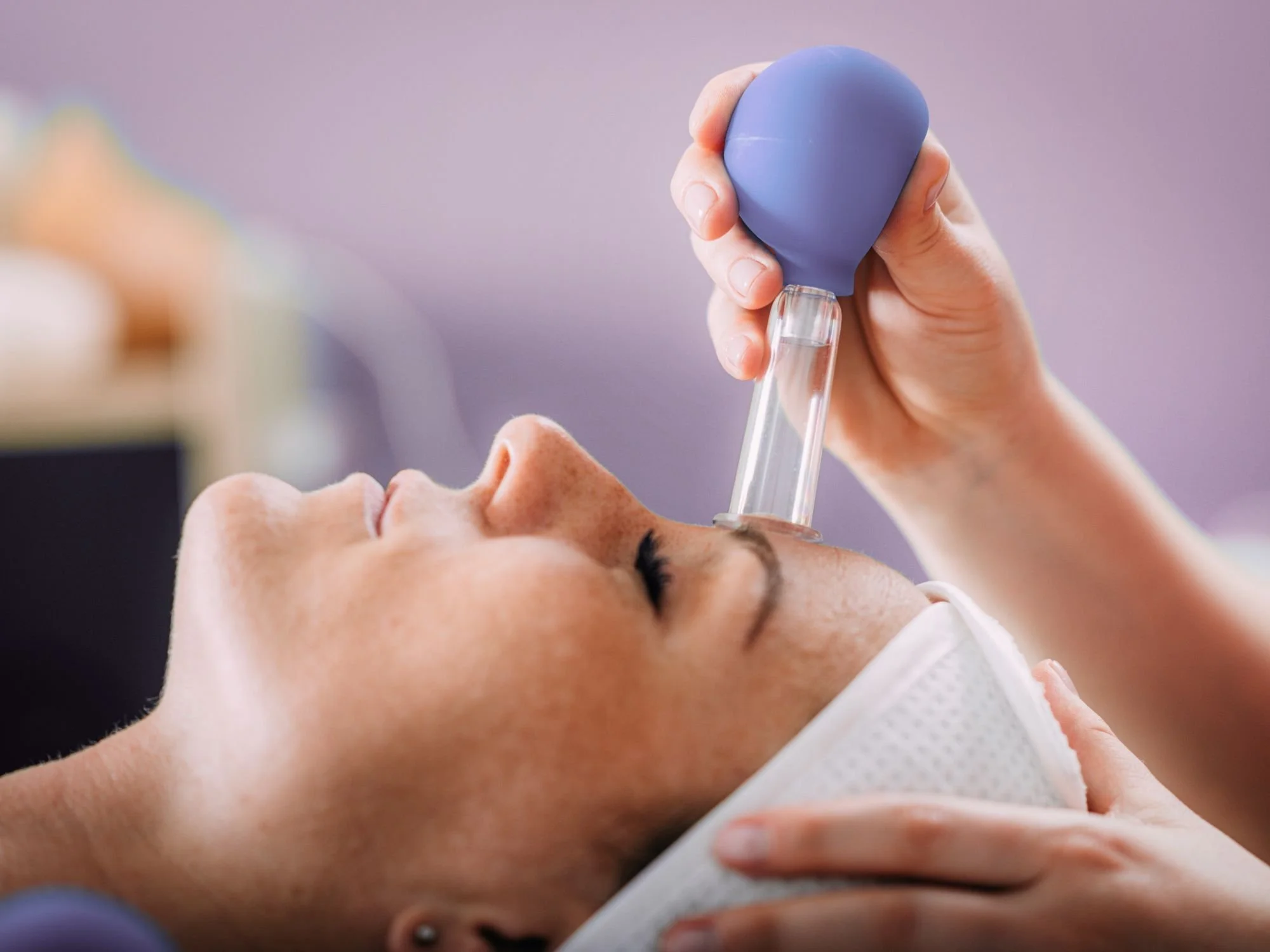
Cupping uses gentle suction to lift tissue, improve circulation, and release tight fascia. For jaw and neck conditions, cupping helps ease stubborn tension, promote relaxation, and improve mobility. It’s a non-invasive way to support natural healing and recovery.
Instrument Assisted Soft Tissue Mobilization (IASTM)
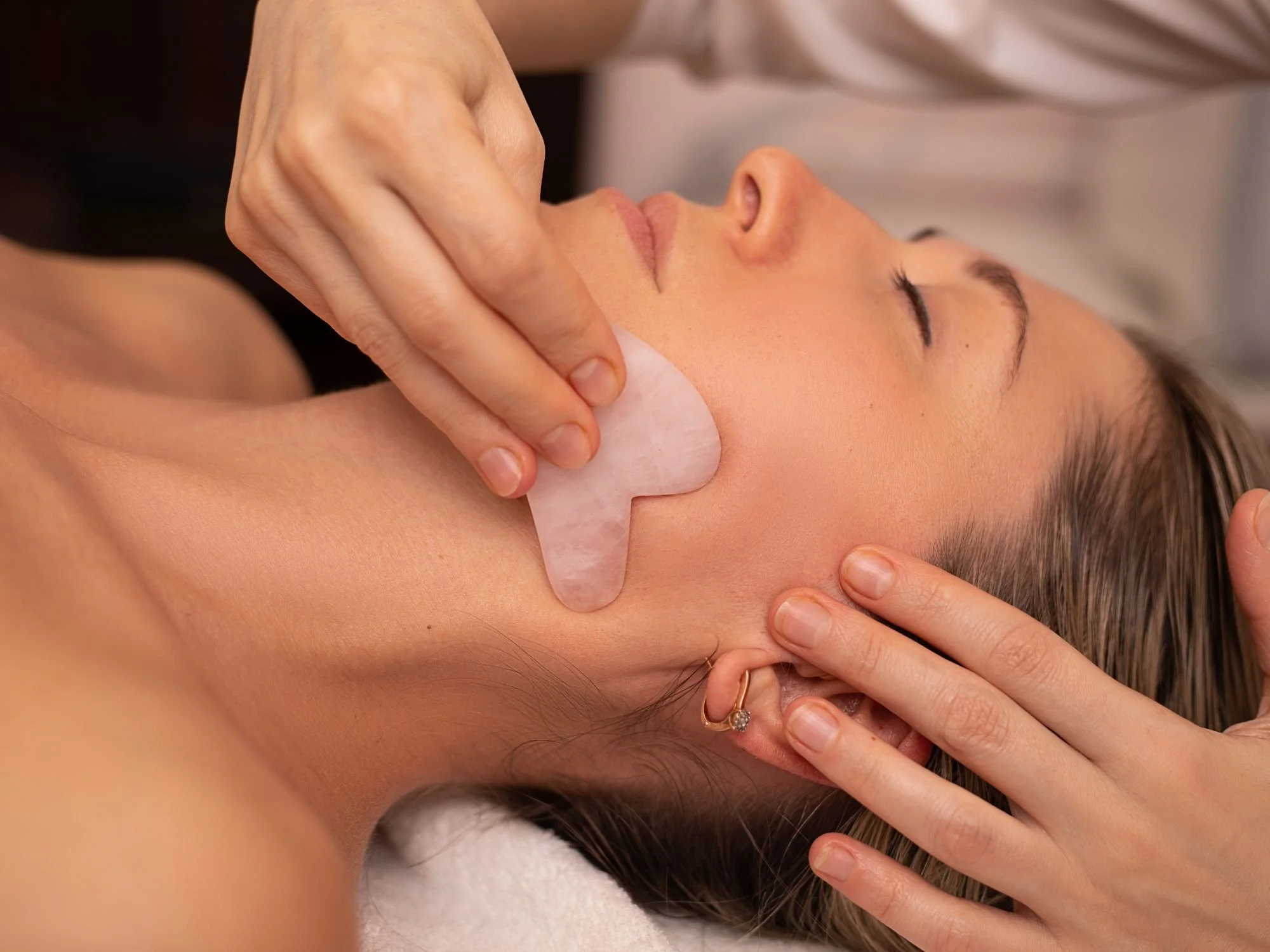
IASTM (a.k.a. gua sha) involves using specialized tools to gently mobilize soft tissue and break down restrictions in muscles and fascia. This technique helps reduce tension, improve range of motion, and speed up recovery. It is especially effective for patients with chronic tightness or movement restrictions in the jaw, neck, and shoulders.
Microcurrent Point Stimulation (MPS)
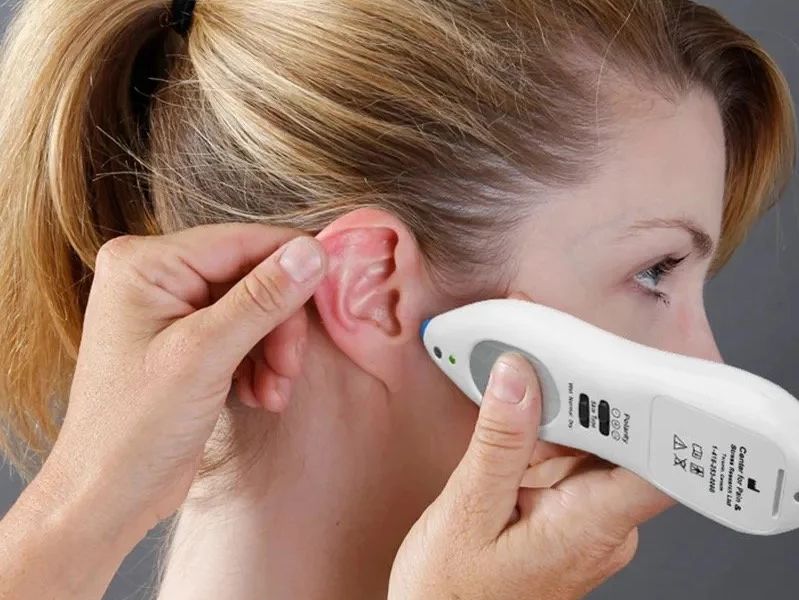
Microcurrent point stimulation delivers a mild electrical current to precise points, calming the nervous system and reducing muscle tension. It can release the restriction from scar tissue and encourages regular movement from previously damaged tissues. This therapy encourages natural healing, relieves stress-related tightness, and is particularly effective for chronic jaw pain, headaches, and facial tension.
Why These Modalities Matter
Each of these therapies can play a different role in your recovery. By combining these within a comprehensive treatment plan, I hope to reduce pain, restore function, and set the foundation for long-term healing.