

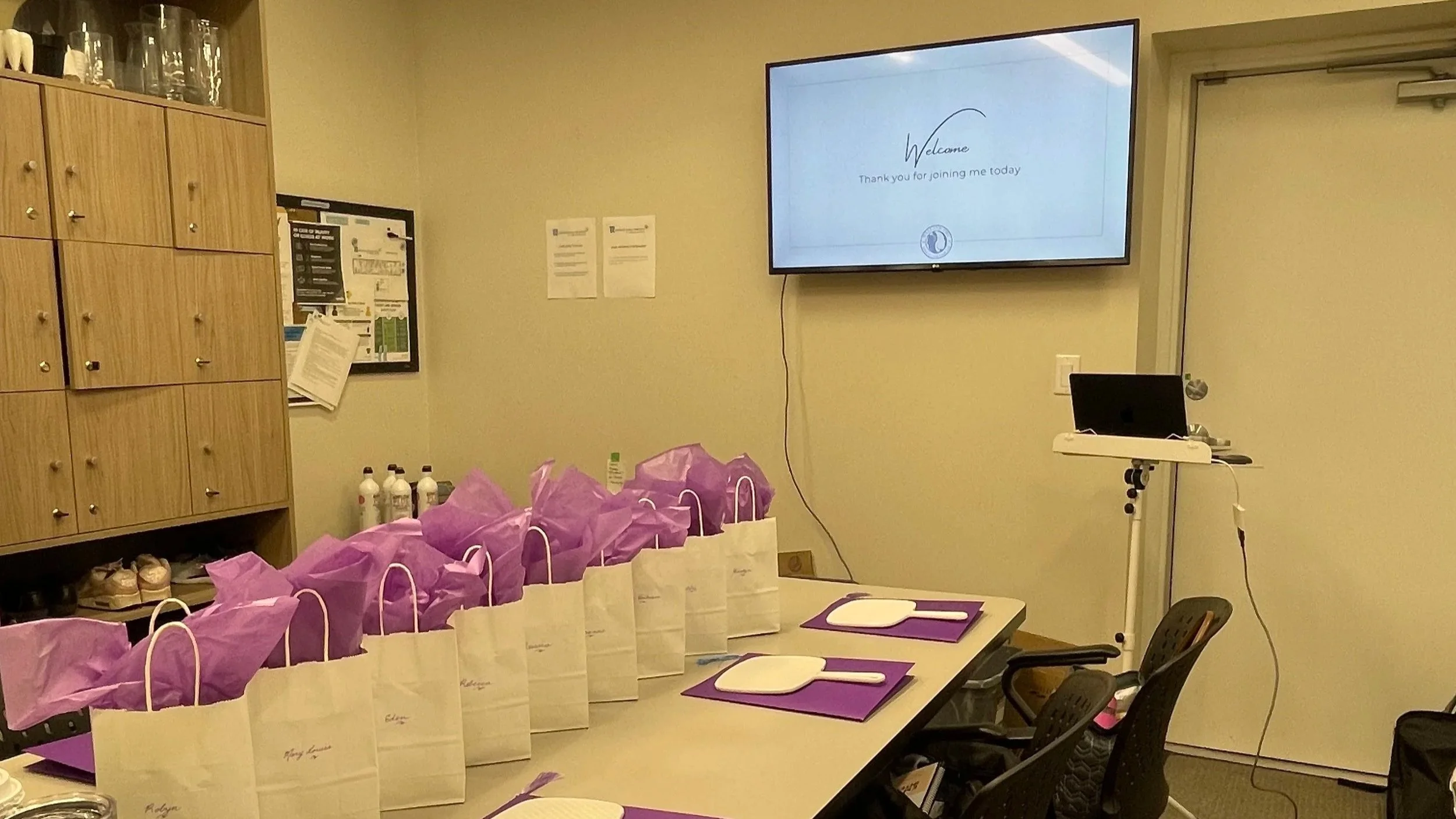
In-Clinic Education for Dental Teams
Practical, clinically relevant education on TMJ dysfunction, muscular influences, and patient behaviour patterns.
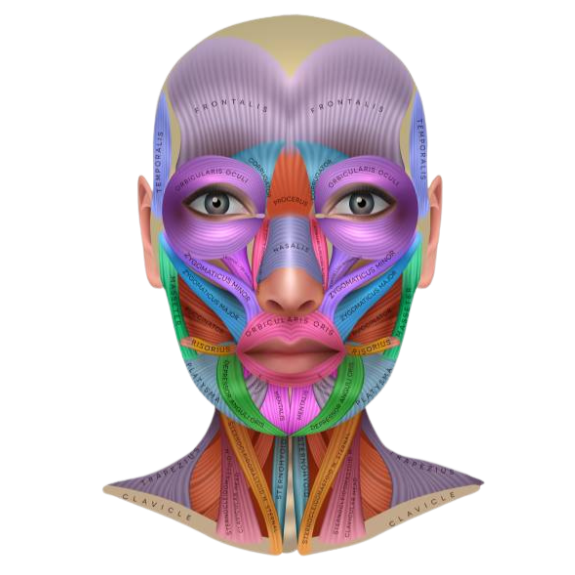
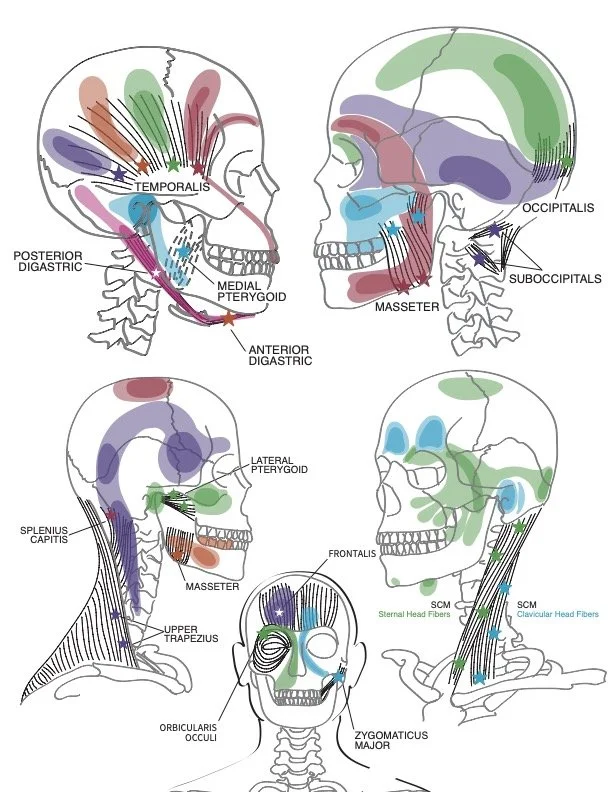
Dental professionals regularly encounter patients presenting with jaw pain, clenching patterns, headaches, and muscular tension. Many of these presentations involve significant muscular and functional contributors that influence symptom persistence and treatment outcomes.
This session provides a clear, evidence-informed overview of common clinical patterns, with a focus on interdisciplinary awareness and conservative supportive care considerations.
Session Focus
This educational session is designed to support clinical awareness of:
• Muscle-dominant TMJ presentations
• Clenching, grinding, and parafunctional drivers
• Functional compensation patterns
• Tongue posture and breathing influences
• Patient behaviours affecting symptom persistence
• Conservative supportive care considerations
• Case patterns commonly encountered in practice
Content is grounded in clinical observations and evidence-informed principles relevant to everyday patient management.
Learning Objectives
Participants will have a clearer understanding of:
• How muscular factors influence TMD symptoms
• Why patients struggle with habit modification
• The role of functional behaviours in symptom recurrence
• When conservative supportive care may be beneficial
• How interdisciplinary collaboration can support outcomes
Session Format
• Delivered in-office
• Typically 30–45 minutes - up to 60 minutes
• Informal, discussion-friendly and hands on
• Tailored to your team’s interests
Who Is This For?
• Dentists
• Dental Hygienists
• Dental Assistants
• Administrative Teams
This is an educational session
Not a sales presentation
Clinical Relevance
Patients with persistent jaw pain frequently present with overlapping muscular, behavioural, and functional contributors.
Improved understanding of these patterns can help teams:
• Recognize common symptom drivers
• Better contextualize patient complaints
• Support realistic expectations
• Identify when supportive care may be appropriate
• Strengthen interdisciplinary communication
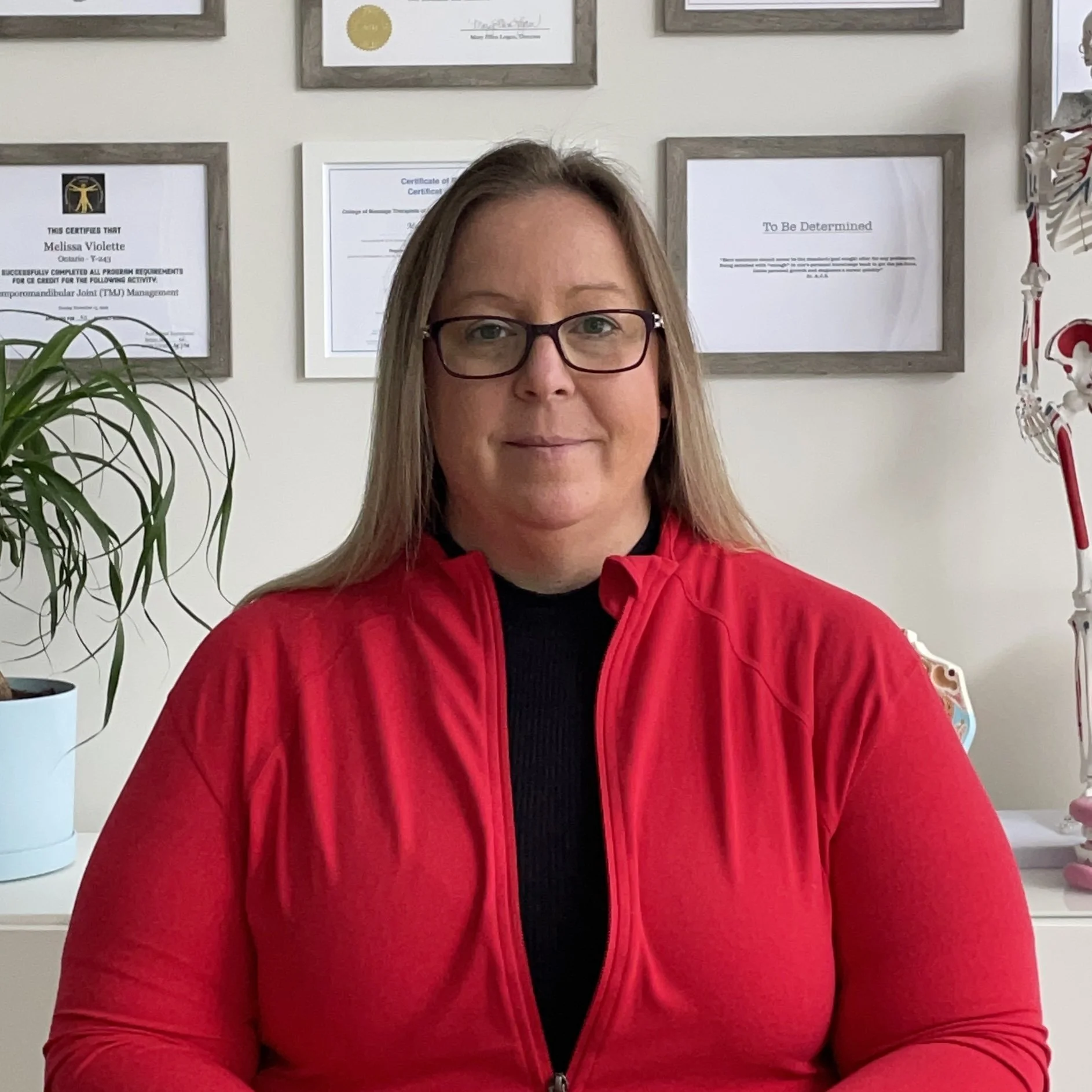
About The Presenter
Melissa Violette, RMT
Registered Massage Therapist – Ontario
Myofunctional Therapist
Neurofunctional Acupuncture Provider
Melissa operates Welland TMJ, a clinical practice focused on TMJ-related dysfunction and myofunctional disorders in adult populations.
Her work emphasizes functional movement, muscular regulation, and habit-driven contributors to symptom persistence.